


web analytics
Çarşamba, Temmuz 1, 2026
No Result
View All Result
  • Giriş
Türk İnternet
  • Ana Sayfa
  • BİLİŞİM
  • e-TİCARET
  • INTERNET
  • TELEKOM
  • YENİ TEKNOLOJİLER
  • Hakkımızda
  • Kişisel Verilerin Korunması
    • Çerez Aydınlatma Metni
    • İlgili Kişi Başvuru Formu
No Result
View All Result
  • Ana Sayfa
  • BİLİŞİM
  • e-TİCARET
  • INTERNET
  • TELEKOM
  • YENİ TEKNOLOJİLER
  • Hakkımızda
  • Kişisel Verilerin Korunması
    • Çerez Aydınlatma Metni
    • İlgili Kişi Başvuru Formu
No Result
View All Result
Türk İnternet
No Result
View All Result

At least 34% of Android malware is stealing your data

The second half of 2011 has been an active one for cyber criminals, who have been increasingly looking for chances to set up new scams in the mobile device environment. According to recent Kaspersky Lab internal data, the Android platform has finally established itself as the most popular for malicious mobile programs, overtaking other platforms as well as ‘generic’ Java malware.

turk-internet.com Staff-turk-internet.com Staff
27 Ekim 2011
-Genel
0
Facebook'ta PaylaşTwitter'da PaylaşLinkedin'de Paylaş

Abingdon, UK, 27 October 2011 – The second half of 2011 has been an active one for cyber criminals, who have been increasingly looking for chances to set up new scams in the mobile device environment. According to recent Kaspersky Lab internal data, the Android platform has finally established itself as the most popular for malicious mobile programs, overtaking other platforms as well as ‘generic’ Java malware.

In September 2011 alone, the number of newly discovered malware for Android-based devices increased by more than 30 per cent. Running parallel to this is another clearly visible trend in mobile malware: more and more, often malicious mobile apps, are targeting users’ personal data. And in October 2011 the share of particularly Android malicious apps trying to steal personal data went up to 34 per cent. This trend is of course alarming, especially if we take into account that such malicious mobile programs sometimes show up on Android Market.

An example of a malicious app distributed through the official store is Trojan-Spy.AndroidOS.Antammi.b. This program, masquerading as a simple app for downloading ringtones, appeared on Android Market only to be removed after notification from Kaspersky Lab. The “cover” program is designed for users in Russia, who use it to send text messages to a paid service to receive back desired tunes. This activity is perfectly legitimate; however, the malicious payload activity is simultaneously going on in the background. Like traditional “desktop” malware, Antammi.b steals almost everything: contacts, texts, GPS coordinates and even photos. The activity log is then sent to the criminal behind the scam via a simple e-mail message, and the data is uploaded to a server.

The unrequited love-story being played out by the cybercriminal world and the Android platform is not surprising – due to the platform’s leading market share, flexibility and openness, yet at the same time lax control over its software distribution. The result is a share of Android-based malicious programs among all mobile malware currently being higher than 46 per cent, and growing rapidly. More worrying is the fact that, apart from stealing personal data, sending texts, and making calls to premium numbers, mobile malware is also targeting banking services, which often send one-time passwords and confirmation codes to mobile phones.

Etiketler: HaberManşet

Türk İnternet'ten buna benzer yazılar için bildirim almak ister misiniz?

ABONELİKTEN ÇIK
turk-internet.com Staff

turk-internet.com Staff

Lütfen yorum yapmak için giriş yapın.

GÜNLÜK BÜLTEN ABONELİĞİ

Aboneliğinizi onaylamak için gelen veya istenmeyen posta kutunuzu kontrol edin.

HAFTANIN ÖNE ÇIKANLARI

  • St. Petersburg Forumu, Rusya’nın Yeni Teknoloji Stratejisinin Sinyallerini Veriyor: Nadir Toprak Elementleri, Yapay Zeka, Yarı İletkenler ve Teknolojik Egemenlik
  • Türkiye Yapay Zeka Stratejisinde Yeni Dönem: Dijital Egemenlik Merkeze Yerleşti, Peki Bu Yeterli mi?
  • Teknoloji Girişimlerini İlgilendiren Yeni Düzenlemeler Yürürlükte
  • Washington Yapay Zekada Yavaşlatma Yerine Hızlanmayı Seçti: Yeni ABD Yapay Zeka Doktrini ve Riskleri
  • Dijital Dönüşüm ve Gazeteciliğin Küresel Krizi

HAFTANIN KELİMESİ

3GPP

3. Nesil Ortaklık Projesi (3GPP), dünya çapında çeşitli mobil (hücresel) ve telekomünikasyon standartlarını geliştiren ve sürdüren bir grup standart kuruluşudur.

3G ile birlikte kurulmuş ve telekom endüstrisinin Birleşmiş Milletleri diye tanımlanabilir. Sonraki nesiller için de standartları belirlemiştir.

Detayı için Wiki-Turk'e bakınız

İNTERNET HIZI

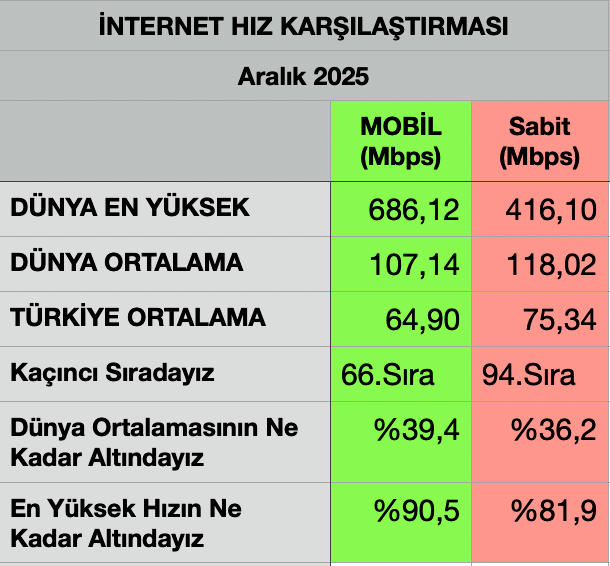
Türkiye'nin İnternet Hızlarını Dünya ile KarşılaştırmakKaynak : https://www.speedtest.net/global-index#mobile
Facebook Twitter LinkedIn

Bildirimler

Turk-internet.com masaüstü bildirimlerini almak için lütfen buraya tıklayın

Son Yorumlar

  • ICANN, Yeterince Temsil Edilmeyen Toplulukları Yeni gTLD Başvuru Destek Programı İle Güçlendiriyor için Tolga Kaprol
  • BTK, Yabancı e-SIM Firmalarını Engelledi için Bulent SEN
  • Sahibinden.com Domain’inin Güncellenmesi Unutulmuş için Tolga Kaprol
  • İngiliz Düzenleyici Ofcom, Bulut Servislerini ve Akıllı Cihaz Pazarını Soruşturuyor için Tolga Kaprol
  • Seçim Yaklaşırken, Kişisel Veriler Kötüye Nasıl Kullanılır? için [email protected]

Türk İnternet'ten ilginize çekecek yazılar için bildirim almak ister misiniz?

Abone Ol

© Copyrights 2000-2025 - Bu sitede yayınlanan haber/söyleşi/makale ve bilgilerin tüm hakkı turk-internet.com'a aittir.

Tekrar Hoşgeldiniz!

Aşağıdan hesabınıza giriş yapınız

Şifremi unuttum?

Şifrenizi geri alın

Lütfen şifrenizi resetlemek için kullanıcı adı veya email adresinizi girin.

Giriş yap
No Result
View All Result
  • Ana Sayfa
  • BİLİŞİM
  • e-TİCARET
  • INTERNET
  • TELEKOM
  • YENİ TEKNOLOJİLER
  • Hakkımızda
  • Kişisel Verilerin Korunması
    • Çerez Aydınlatma Metni
    • İlgili Kişi Başvuru Formu

© Copyrights 2000-2025 - Bu sitede yayınlanan haber/söyleşi/makale ve bilgilerin tüm hakkı turk-internet.com'a aittir.